
Information to include
- Machine, engine and ECU identification
- Original file and reading tool
- Working task, implement and operating range
- Current software and relevant configuration changes
BlagTuning / Software
Field work has its own demands. Our agricultural file service focuses on the software that supports consistent response, useful torque and sustained operation.
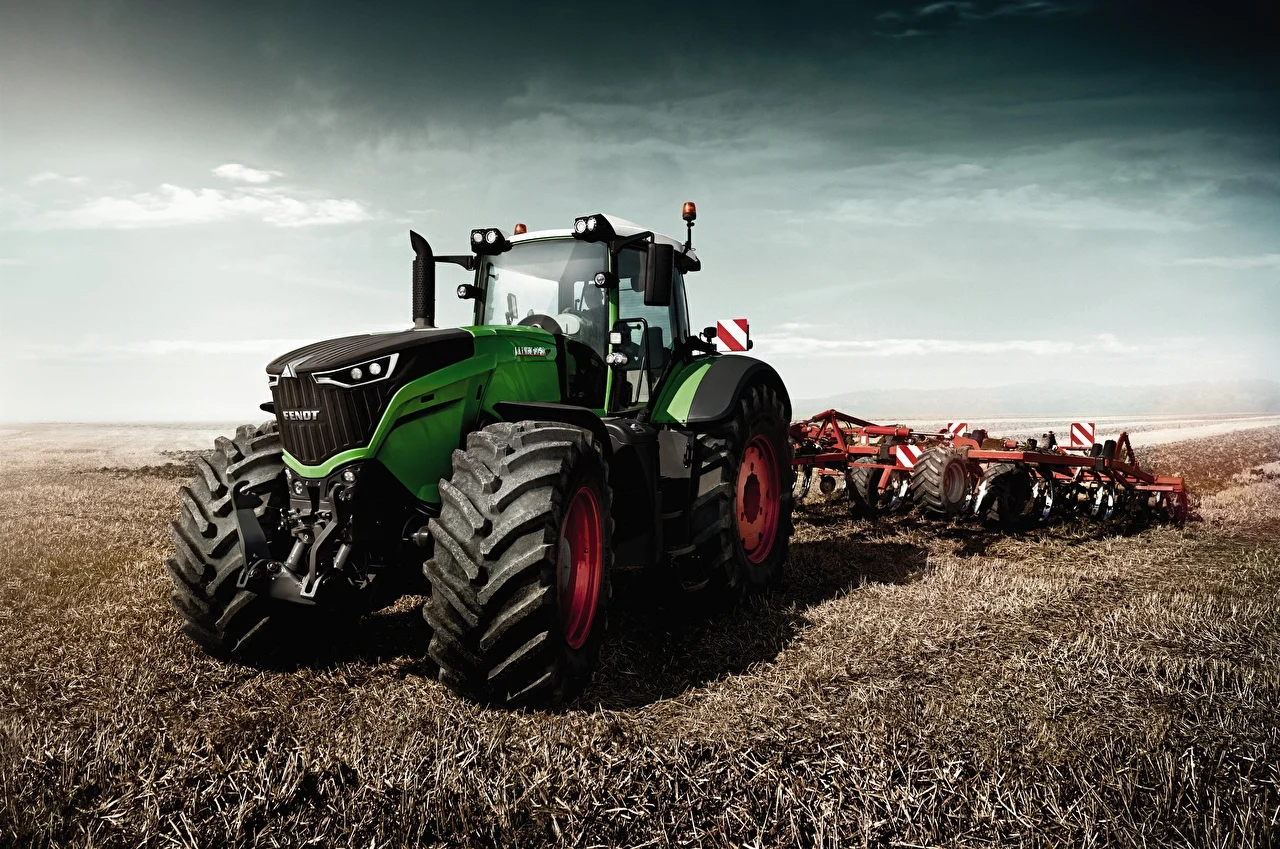
A tractor pulling an implement, a machine carrying out power take-off work and a vehicle used for agricultural transport do not follow the same operating pattern. The useful improvement is found in the conditions where the machine works, not only at the highest point of a power chart.
The software request should therefore describe the task, working range and load. Combined with the ECU identification and original file, this information helps establish what the calibration should achieve. A more complete specification also makes later technical feedback much easier to interpret.
Agricultural calibration is concerned with the way the engine responds as the load changes and how that delivery fits the machine’s transmission and working cycle. A progressive response can matter more to the operator than an abrupt increase that is difficult to use consistently.
The software remains part of a complete machine. Cooling, drivetrain condition and the operating environment affect what is appropriate. Those considerations inform the request without turning a remote software service into a claim that the physical condition of every machine has been inspected.
Agricultural model ranges often contain related engines and controllers, but related hardware does not establish identical software. Keep each machine’s original read, controller identification and software reference. This avoids treating a familiar model designation as permission to exchange files between machines.
Experience with comparable applications is most useful when it helps explain the differences: control strategy, machine configuration or operating requirements. The objective is an informed software decision for the identified machine, with the context retained for any subsequent revision.
Use the portal to associate the original file, machine details and requested work. Describe any previous changes to the software and provide the reading tool information. Feasibility and scope can then be discussed before the workshop commits to the intervention.
After installation, practical observations from the machine help complete the picture. For a consumption comparison, record the work performed as well as the fuel used. For software follow-up, keep the returned version and observations together so the next step is based on the same configuration.
The general principles of ECU calibration are related, but sustained loads, working ranges and machine requirements differ. The application needs its own specification.
Each machine needs its own identification and original file. Similar model names do not establish software compatibility.
No fixed saving applies to every operation. Task, implement, operator and machine condition affect the result; compare equivalent work.